

Efficient Vehicle Communication Systems (VCS), focusing on V2V and future V2X technologies, are vital for safe roads and smart transportation. Real-time data sharing enhances traffic flow, prevents collisions, and optimizes urban mobility. Widespread adoption requires standardized protocols, robust regulations, and public education. Integrating V2V naturally into multi-modal networks, with collaboration between automakers, telecom providers, and regulators, is key to achieving safer, more connected roads capable of handling growing transportation demands.
Safe roads are the cornerstone of any thriving society, ensuring the well-being and security of its citizens. However, road accidents remain a persistent global challenge, claiming countless lives and causing devastating injuries each year. The root cause often lies in inefficient communication systems that fail to relay critical information in real time. Herein lies the significance of exploring innovative solutions, with Vehicle-to-Vehicle Communication (V2V) emerging as a game-changer. This technology promises to revolutionize road safety by enabling direct communication between vehicles, facilitating the exchange of data such as location, speed, and potential hazards. By previewing the benefits and challenges of V2V comms, this article delves into how efficient vehicle communications can indeed pave the way for safer roads.
- Understanding Vehicle Communication Systems
- The Role of V2V in Accident Prevention
- Implementing Efficient Vehicle-to-Infrastructure Interactions
- Ensuring Safe Roads Through Continuous Data Sharing
Understanding Vehicle Communication Systems

Safe roads start with efficient vehicle communication systems, enabling what is increasingly referred to as smart transportation. Understanding Vehicle Communication Systems (VCS) is crucial in this regard, given their pivotal role in facilitating safe vehicle interactions and real-time data sharing. These systems transcend traditional car components; they are the digital brains that connect vehicles to each other and to the broader multi-modal transportation networks of tomorrow.
Modern VCS leverage emerging transport technologies, incorporating advanced sensors, high-speed connectivity, and sophisticated algorithms. For instance, Vehicle-to-Vehicle (V2V) communication enables cars to exchange data on speed, position, and direction, allowing them to anticipate and react to one another’s movements. This is particularly impactful in dense urban environments where quick, accurate information can prevent collisions and optimize traffic flow. Consider the case of a V2V system that warns a driver about an approaching vehicle around a blind corner, enabling them to brake or steer clear in real time.
As we navigate towards a future characterized by autonomous vehicles and integrated mobility solutions, the importance of robust VCS becomes even more pronounced. These systems will be at the heart of multi-modal transportation networks, ensuring seamless interactions between different modes of transport—from electric buses and trains to bicycles and private vehicles. By selecting and integrating Vehicle-to-Everything (V2X) communication technologies naturally into these networks, we can enhance safety, efficiency, and accessibility across all road users. The data shared in real time will not only prevent accidents but also inform smart traffic management systems, optimizing routes and reducing congestion.
The Role of V2V in Accident Prevention
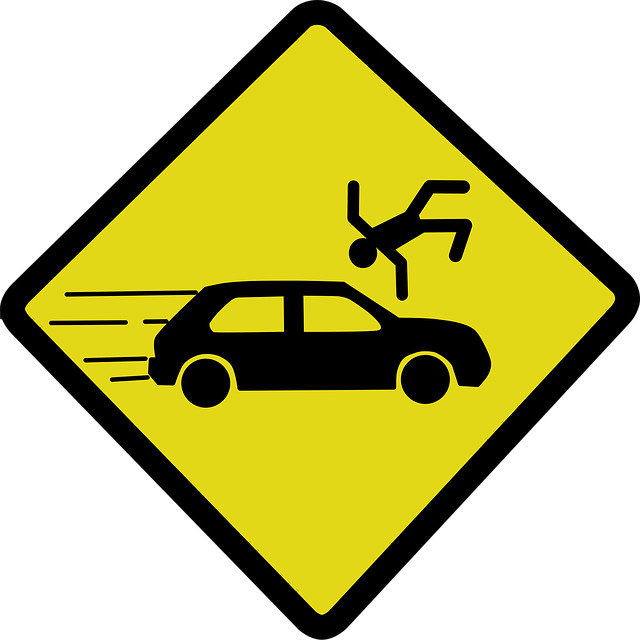
Safe roads begin with efficient vehicle communication, particularly Vehicle-to-Vehicle (V2V) technology, which holds immense potential in accident prevention. V2V allows cars to exchange data wirelessly, enabling them to detect and communicate hazards in real time. This proactive approach to safety can significantly reduce collision risks, especially in complex multi-modal transportation networks where human perception and reaction times may not be sufficient.
The role of V2V in accident prevention is multifaceted. It can warn drivers about imminent dangers like sudden stops or lane deviations, providing crucial seconds for a safe response. For example, a study by the National Highway Traffic Safety Administration (NHTSA) simulated V2V deployment and found up to an 81% reduction in rear-end collisions. Furthermore, V2V communication protocols can be integrated with existing car systems, ensuring seamless functionality within regulatory frameworks governing consumer adoption.
However, widespread V2V adoption hinges on several factors. First, standardized car-to-car communication protocols are essential for interoperability across different vehicle models and manufacturers. Second, robust regulatory frameworks must address privacy concerns while encouraging consumer trust in V2V technology. Lastly, public education and awareness campaigns are necessary to dispel misconceptions and highlight the benefits of V2V in enhancing road safety. As multi-modal transportation networks continue to evolve, efficient V2V communication will be pivotal in realizing safer, more connected roads for all users.
Implementing Efficient Vehicle-to-Infrastructure Interactions

Safe roads are a shared responsibility, with efficient vehicle communications playing a pivotal role in enhancing safety and efficiency. Implementing Vehicle-to-Infrastructure (V2I) interactions is a critical step towards achieving this goal. By facilitating direct communication between vehicles and roadside infrastructure, V2I systems can provide real-time data on traffic conditions, road hazards, and other relevant information, enabling drivers to make informed decisions that prevent accidents.
One of the most promising areas within V2I communications is inter-vehicle sensing systems, which enable direct vehicle-to-vehicle (V2V) communication. This technology allows vehicles to exchange safety-critical information, such as location, speed, and brake status, enabling them to anticipate and react to each other’s movements. For instance, V2V for truck platooning has shown significant potential in improving fuel efficiency and reducing emissions while enhancing safety through coordinated braking and lane changes. Global V2V standards, such as those being developed under ISO 26262, are crucial for ensuring interoperability and safety across different vehicle types and communication protocols.
Selecting the right V2V communication technology is paramount. Natural language processing (NLP) and machine learning algorithms can enhance the efficiency of data exchange by enabling vehicles to interpret and respond to complex messages more effectively. This, combined with robust encryption methods, ensures secure communications while preserving privacy. For instance, the U.S. National Highway Traffic Safety Administration (NHTSA) has been actively testing V2V technologies, reporting promising results in terms of accident reduction and improved traffic flow.
Practical implementation requires collaboration between automakers, infrastructure providers, and regulatory bodies. Establishing standardized protocols and integrating V2V capabilities into existing systems can be complex but is essential for widespread adoption. By fostering a culture of data-driven safety and continuous improvement, we can move closer to achieving truly safe roads where accidents become the exception rather than the norm.
Ensuring Safe Roads Through Continuous Data Sharing

Safe roads are an integral part of any thriving urban environment, and ensuring their integrity begins with innovative technologies that enhance vehicle communication and collaboration. Among the various tools in this arsenal, Vehicle-to-Vehicle (V2V) communications stand out as a game-changer. By facilitating real-time data sharing between vehicles, V2V technology allows drivers to be aware of potential hazards before they become critical. For instance, if a vehicle detects an imminent collision, it can warn other nearby cars, providing crucial seconds for evasive action or reduced speed, thus preventing accidents and saving lives.
The power of continuous data sharing cannot be overstated. Inter-vehicle sensing systems, integrated with smart grid infrastructure and urban mobility solutions, enable networked vehicles to communicate not just about immediate dangers but also about traffic patterns, road conditions, and even maintenance needs. For example, V2V communication can alert drivers about upcoming congestion, enabling them to choose alternative routes or adjust their speed accordingly. Moreover, when integrated with smart grids, these systems can optimize energy consumption during peak hours, reducing traffic-related emissions and enhancing overall urban sustainability. The benefits of networked vehicles extend beyond individual safety; they contribute to a more efficient, responsive, and sustainable transportation network.
Implementing V2V communications requires collaboration among vehicle manufacturers, telecommunications providers, and regulatory bodies. Standardization of communication protocols is essential for ensuring interoperability across different makes and models. Governments play a pivotal role in creating enabling policies and infrastructure that foster the widespread adoption of these technologies. For instance, many countries are testing and deploying 5G networks specifically tailored for V2V communications, aiming to reduce latency and enhance connectivity. By embracing inter-vehicle sensing systems, smart grid integration, and urban mobility solutions, we can move closer to achieving safer, more efficient roads capable of accommodating the ever-growing demand for transportation in our cities.
Safe roads are not merely a sum of infrastructure but a complex web where efficient vehicle communications play a pivotal role. By understanding Vehicle Communication Systems, we recognize V2V technology as a powerful tool in accident prevention. Implementing natural Vehicle-to-Vehicle (V2V) communication enhances safety by enabling vehicles to share data seamlessly, facilitating informed decision-making on the road. Continuous data sharing ensures that all road users are aware of potential hazards, fostering an environment where every driver is proactive and responsive. This comprehensive approach, backed by continuous improvement, is essential for creating a safer driving experience. Next steps involve integrating V2V communication systems into existing infrastructure and promoting adoption among vehicle manufacturers and regulatory bodies to revolutionize road safety globally.