

Vehicle-to-Vehicle (V2V) Communication is reshaping urban mobility by enabling direct data exchange between vehicles, enhancing safety and efficiency. This technology allows cars to 'talk' and share real-time information like location, speed, and intentions, improving traffic flow and reducing congestion. V2V promises smoother journeys, efficient logistics, and a safer, greener driving experience, transforming how we interact with transportation in the digital era. Despite challenges, such as ensuring secure connectivity and standardization, V2V has significant potential to contribute to smarter cities and reduce urban traffic issues through real-time data sharing.
Transforming driving experiences through real-time vehicle data is no longer a futuristic concept but an emerging reality. As technology advances, Vehicle-to-Vehicle (V2V) communication is set to revolutionize transportation, enhancing safety and efficiency. This article explores the potential of V2V technology, its benefits, challenges, and future implications, highlighting how this innovative approach can unlock smarter, safer roads for all drivers. Discover how selecting and implementing V2V communication systems can reshape our driving experiences.
- Understanding Real-Time Vehicle Data: Unlocking the Potential of V2V Communication
- The Role of Vehicle-to-Vehicle (V2V) Technology in Modern Transportation
- Benefits of Implementing V2V Communication Systems
- Challenges and Considerations for Seamless Data Exchange
- The Future of Driving: Enhancing Safety and Efficiency with Real-Time Data
Understanding Real-Time Vehicle Data: Unlocking the Potential of V2V Communication

Vehicle-to-Vehicle (V2V) Communication is revolutionizing the way we perceive and interact with driving. By enabling direct data exchange between vehicles, this technology unlocks a wealth of potential benefits for both individual drivers and the transportation sector as a whole. Imagine cars that can ‘talk’ to each other, sharing real-time information about their location, speed, and even intended routes. This interaction paves the way for safer roads by allowing drivers to anticipate and avoid potential hazards, reducing accidents and improving overall traffic flow.
In the pursuit of energy-efficient transportation, V2V communication technology plays a pivotal role in optimizing travel patterns. It enables vehicles to coordinate movements, minimizing stop-and-go traffic and reducing fuel consumption. Furthermore, this emerging transport technology has the potential to enhance mobility for all, promoting smoother journeys and more efficient logistics, ultimately shaping the future of urban mobility and transforming driving into a safer, greener, and smarter experience.
The Role of Vehicle-to-Vehicle (V2V) Technology in Modern Transportation

The integration of Vehicle-to-Vehicle (V2V) technology is a game-changer in modern transportation, revolutionizing how vehicles communicate and interact on the road. By enabling direct communication between vehicles, V2V systems offer numerous advantages that enhance safety, efficiency, and overall driving experience. This cutting-edge technology allows cars to exchange real-time data, including their location, speed, and even intentions, creating a network of interconnected vehicles.
One of the key benefits of V2V communication is its potential to alleviate congestion and reduce accidents. By sharing information, vehicles can anticipate each other’s movements, allowing for smoother traffic flow and reducing the risk of collisions. This is especially beneficial in dense urban areas where congestion reduction strategies are crucial. Moreover, market trends in automotive networking show a growing adoption of V2V technology, as manufacturers recognize its potential to transform driving into a safer, more connected experience, catering to consumers’ demands for innovative transportation solutions.
Benefits of Implementing V2V Communication Systems
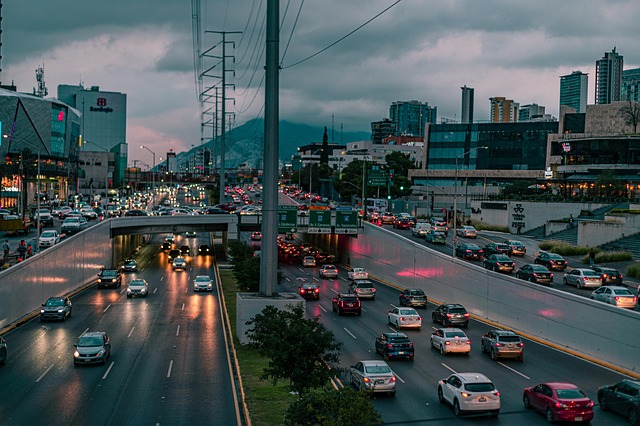
The implementation of Vehicle-to-Vehicle (V2V) communication systems brings about a myriad of benefits for drivers and road safety as a whole. One of the key advantages is the potential to prevent collisions, as vehicles can share real-time data on their positions, speeds, and intentions. This enables neighboring cars to make split-second decisions and avoid accidents, especially in complex traffic scenarios.
V2V communication enhances connected car safety features by creating a network of intelligent vehicles. Through dedicated car-to-car communication protocols and automotive wireless standards, these systems facilitate the exchange of critical information like sudden braking alerts, lane change signals, and obstacles on the road. Safe vehicle interactions are fostered, leading to improved overall traffic flow and reduced congestion. Real-time data sharing ensures drivers are always aware of their surroundings, enabling them to respond promptly to changing conditions on the road.
Challenges and Considerations for Seamless Data Exchange
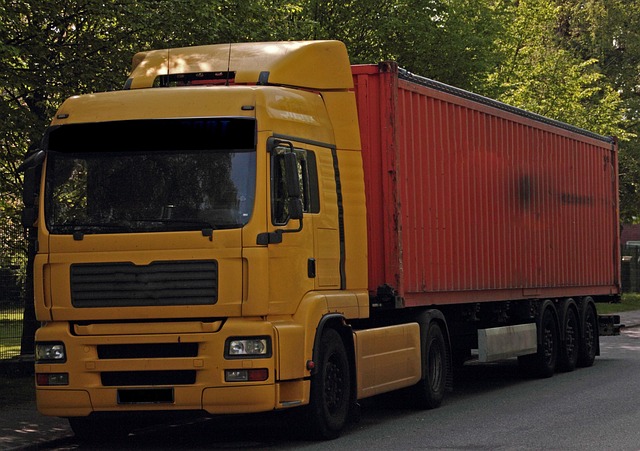
Transforming driving with real-time vehicle data requires addressing significant challenges and considerations for seamless data exchange. One major hurdle is the implementation of efficient Vehicle-to-Vehicle (V2V) communication systems. Ensuring reliable and secure wireless vehicle connectivity is paramount, as connected car safety features depend on accurate, real-time information sharing between vehicles.
Standardization of automotive wireless standards and the development of robust vehicle ad-hoc networks are crucial for facilitating this data exchange. Integrating these technologies seamlessly requires careful consideration of infrastructure, interoperability, and privacy concerns. Only by overcoming these challenges can we fully realize the potential of real-time vehicle data to enhance road safety, efficiency, and overall driving experiences.
The Future of Driving: Enhancing Safety and Efficiency with Real-Time Data
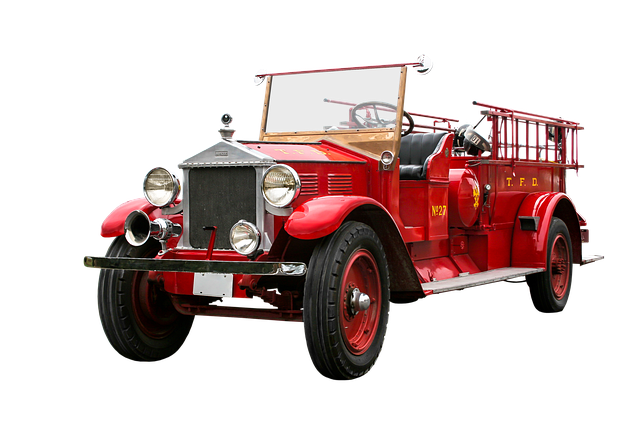
The future of driving is here, shaped by real-time vehicle data and advanced communication technologies. Imagine roads where every vehicle contributes to a collective intelligence, sharing crucial information instantaneously. This is the promise of Vehicle-to-Vehicle (V2V) Communication, a game-changer in enhancing safety and efficiency. By selecting specific data points and utilizing public-private partnerships in transport urban planning and V2V, we can create smarter cities and reduce congestion.
Real-time data allows drivers to navigate with improved accuracy, avoiding accidents caused by human error. It enables dynamic route planning, considering traffic flow and road conditions, leading to faster journeys and reduced emissions. Moreover, regulatory frameworks for V2V are evolving to facilitate consumer adoption, addressing privacy concerns and setting standards for interoperability. This technology not only promises a safer driving experience but also revolutionizes urban planning strategies, offering effective congestion reduction strategies in the world’s bustling cities.
Real-time vehicle data, enabled by advanced Vehicle-to-Vehicle (V2V) communication systems, is transforming driving. As we navigate the future of transportation, seamless data exchange between vehicles holds immense potential to enhance safety and efficiency on our roads. By leveraging this technology, we can create a smarter, more responsive transportation network that benefits drivers, communities, and the environment alike. The challenges are surmountable, but with careful consideration and innovative solutions, the rewards will be significant, marking a new era in modern transportation.